

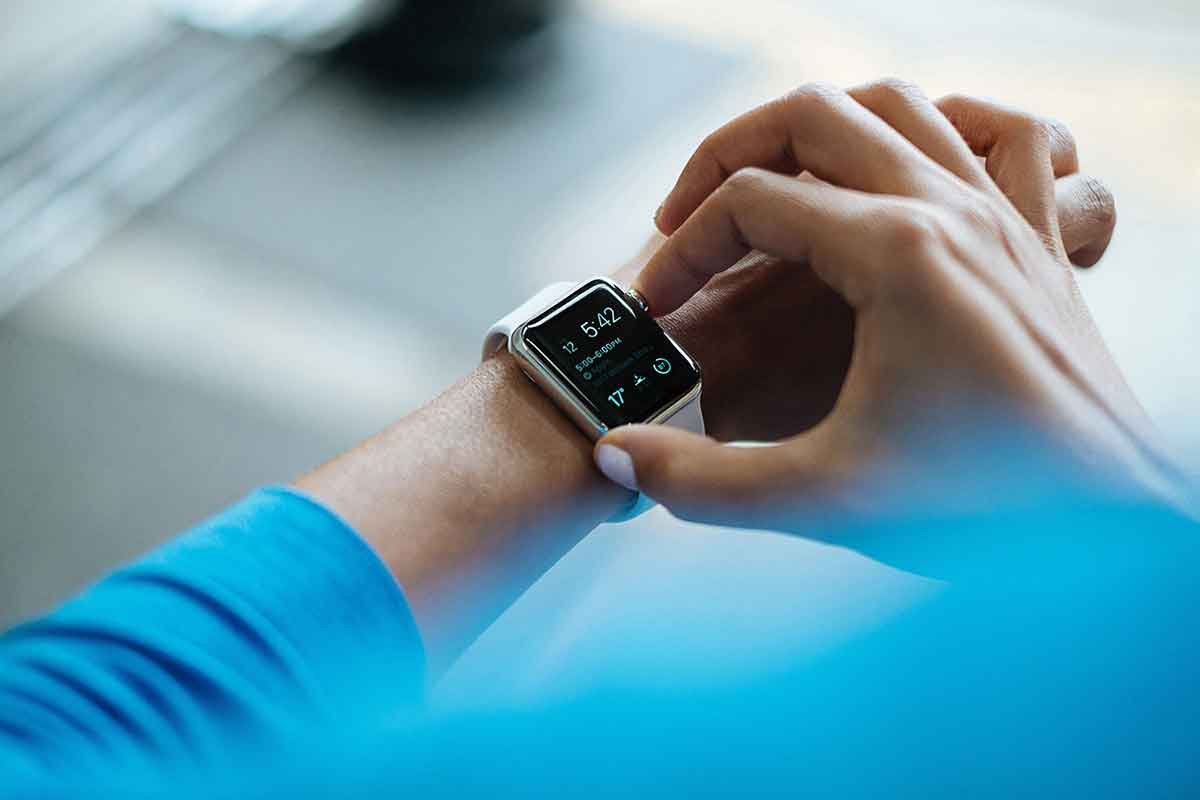

You walk into a conversation about smartwatches and within five minutes someone is telling you the Apple Watch is the best. Someone else insists Garmin is where serious people shop. A third person pulls up their budget Amazfit and says they’ve had it for six months with one charge. Everyone has an opinion. None of them have explained what actually matters for your situation.
That is the real problem with buying a smartwatch in 2026. The market is not short of options. What it is short of is clarity. The global smartwatch market is projected to reach USD 44.28 billion in 2026 and expand to USD 142 billion by 2034, according to Fortune Business Insights, with shipments expected to hit 279 million units this year. You are making a purchase decision in the middle of one of the fastest-growing tech categories on the planet, and most buying guides just throw rankings at you without building the foundation you need to evaluate them.
This guide does something different. It builds that foundation. By the time you finish reading, you will know exactly what a smartwatch needs to do, what to inspect before you buy, which trade-offs actually matter, and how to match the right device to your real life, your health goals, your phone, and your budget. This is not a list of watches. This is a framework for making a smart decision.
Table of Contents
Disclosure: Our content is engineered to help you make informed, data-driven decisions. Digital Solutions Edge is reader-supported; when you engage with our recommendations or click certain links, we may receive a commission. This support allows us to continue delivering the digital solutions you rely on. Thank you for being part of our community.
What Is a Smartwatch Actually Supposed to Do?
Before you look at a single specification, stop and answer one question honestly: what do you actually want your smartwatch to do on a Tuesday afternoon?
That sounds like an obvious question, but the majority of buyers skip it entirely. They see a feature list, get excited about ECG monitoring or on-wrist satellite maps, buy the watch, and then discover they wear it purely to check notifications and count steps. Spending £400 on a device for two use cases that a £150 watch also covers is a decision built on marketing, not thinking.
A smartwatch in 2026 can perform across several broad function categories. Understanding them helps you figure out what your own priority stack looks like.
Notification and connectivity hub. At the simplest level, a smartwatch surfaces your messages, calls, emails, and app alerts from your phone onto your wrist. You glance, decide if it is urgent, and get on with your day without reaching for your phone. Almost every smartwatch on the market does this reasonably well.
Health and wellness monitor. This is the category that has grown most dramatically. Modern smartwatches track heart rate continuously, measure blood oxygen saturation (SpO2), monitor sleep stages, detect stress levels using heart rate variability (HRV), flag signs of atrial fibrillation, and some now detect sleep apnoea. A 2023 American College of Sports Medicine study found that individuals using wearables for fitness tracking maintained 37% higher workout consistency over six months compared to non-users. The health tracking capability of a watch is one of the most meaningful differentiators between devices.
Fitness and sports performance tool. Beyond general wellness tracking, some watches are built for athletes. These include accurate GPS for outdoor activities, multi-sport modes covering running, cycling, swimming, weightlifting, and dozens of other disciplines, VO2 max estimations, training load analysis, and recovery recommendations. This is where brands like Garmin and Polar genuinely separate themselves from the rest.
Smart lifestyle companion. Paying for things with a tap of your wrist, streaming music independently of your phone, controlling smart home devices, navigating on-wrist maps, and running third-party apps all fall under this category. This is where Apple Watch and Wear OS devices have the clearest advantage.
Safety device. Fall detection, emergency SOS, crash detection, and satellite messaging are real features on flagship watches that have genuinely saved lives. These are not gimmicks. They are particularly relevant for older users, solo athletes, and parents buying watches for children.
Once you know which one or two categories define your use, every other decision in this guide becomes much easier to make.
[IMAGE PLACEHOLDER: Infographic showing the five smartwatch function categories as a pentagon diagram with icons. Alt text: smartwatch buying guide 2026 function categories]
The 9 Boxes a Smartwatch Must Tick Before You Even Think About Buying It
Before you fall for a glossy product page, run any watch you are considering through this checklist. These are the non-negotiables: the baseline quality markers that separate a capable device from a clever-looking gadget. A watch that cannot satisfy most of these criteria is not worth the conversation, regardless of its price tag.
1. Comprehensive health monitoring beyond step-counting. A credible smartwatch in 2026 must include 24/7 heart rate monitoring, SpO2 tracking, advanced sleep stage analysis covering light, deep, and REM cycles, and at minimum some form of stress or recovery indicator. Step-counting alone is a feature from 2015. If the health spec ends there, the device has not kept up.
2. Accurate fitness tracking with built-in GPS. Phone-dependent GPS is a half-measure. Built-in GPS is the standard for any watch above the budget tier. Without it, your distance data during runs, cycles, or hikes depends entirely on carrying your phone, which defeats much of the purpose of a standalone wearable.
3. A high-quality always-on display. The watch face is the primary interface. AMOLED or OLED with high outdoor brightness (ideally 1,500 nits or above) and always-on display capability is the expected baseline for 2026. If you have to tilt-and-wait to see the time, the display is not doing its job.
4. Battery life that matches your actual usage pattern. A watch that needs daily charging is a watch you will eventually stop wearing. Identify your charging tolerance honestly. If overnight charging is not a problem, a 24-hour watch is workable. If you want to forget about charging for days at a time, this box needs a specific rating: three days at minimum, a week or more for peace of mind.
5. Solid water resistance rated at 5ATM or higher. You will shower, sweat, get caught in rain, and if you are active, probably swim. A 5ATM rating (50 metres) covers all everyday water exposure including swimming. Anything lower is a limitation you will feel within the first month.
6. Seamless smartphone ecosystem integration. The watch must sync reliably and completely with your phone. Notifications, health data, app management, and firmware updates should work without friction. If the companion app is reviewed poorly or has persistent sync issues, that friction will be part of your daily experience.
7. Safety features that function independently. Fall detection, emergency SOS, and in newer flagship models, crash detection and satellite messaging, are no longer optional luxury features. They are the difference between a gadget and a device with genuine utility. At minimum, look for SOS functionality and fall detection if the watch is for an older adult or a solo athlete.
8. Durable build quality with protected glass. Sapphire crystal is the gold standard for screen protection. Corning Gorilla Glass is an acceptable alternative in mid-range devices. Budget watches with unspecified glass will accumulate scratches within weeks of regular use. The case material should reflect the conditions the watch will live in: aluminium for general use, stainless steel or titanium for longevity and environmental stress.
9. A proven, well-supported operating system. The software running your watch determines app availability, feature updates, and the quality of your day-to-day experience. Choose a platform with a clear update history and long-term support commitment. Avoid watches running proprietary systems from brands that have a track record of abandoning hardware within two years.
If a watch ticks all nine of these boxes, you have a device worth evaluating further. If it misses more than two, spend your money elsewhere.
[IMAGE PLACEHOLDER: Checklist graphic with nine ticked boxes and icons for each criterion. Alt text: smartwatch buying checklist 2026 must-have features before you buy]
The Ecosystem Question: Your Phone Decides More Than You Think
The single most important factor in your smartwatch purchase is one most people treat as an afterthought: your smartphone’s operating system.
Apple Watches work only with iPhones. Wear OS watches work with most Android phones. Garmin watches work with both Android and iPhone, but focus more on fitness features. This is not a minor compatibility note buried in a spec sheet. It is a structural constraint that determines your entire smartwatch experience.
If you have an iPhone and you buy a Samsung Galaxy Watch, you will get basic notifications and some health tracking, but the ECG features and blood pressure monitoring often require a Samsung phone to function fully. You lose significant value from a premium device. If you want a watch that seamlessly pairs with your iPhone and allows you to use third-party apps, you will probably be looking at an Apple Watch. Likewise, if you have a Samsung phone, a Samsung Galaxy Watch will likely be your first port of call.
The only brands that sit comfortably outside this binary are Garmin, Coros, Amazfit, and Huawei. All of them offer cross-platform compatibility, though the experience will always be richer when matched with the right phone ecosystem. Garmin’s own app works well on both iOS and Android, which makes it a genuinely flexible choice for fitness-first buyers who do not want to be locked in.
It is also worth flagging cross-compatibility issues that persist in 2026. According to testing by Which.co.uk, mixing certain brands or operating systems can still produce glitchy experiences: notifications may lag, health data may sync inconsistently, and some features may be entirely locked behind the brand’s own phone pairing. The headline compatibility numbers look better than the day-to-day reality often is. Do not assume “it works with Android” means it works well with your specific Android phone.
One more thing worth noting: if you are ever planning to switch from iPhone to Android, or vice versa, a smartwatch tied to your current ecosystem becomes an obstacle. Garmin and other platform-agnostic brands sidestep this problem entirely, though they trade some smart features in exchange.
[INTERNAL LINK: Our guide to choosing the right tech ecosystem for your workflow]
The Operating Systems Explained
The operating system running your smartwatch shapes every interaction you have with it. Most buyers know Apple Watch runs watchOS and Samsung runs Wear OS, but the finer distinctions across all the major platforms are worth understanding.
watchOS 11 (Apple Watch)
watchOS 11 adds unique features like Smart Stack widgets that provide an at-a-glance view of things like active workouts and Live Activities, covering everything from Uber rideshare updates to severe weather alerts and music playback controls. The platform is mature, polished, and deeply integrated with the Apple ecosystem. App quality is generally the highest of any smartwatch platform, and updates arrive in step with iOS.
The critical limitation is exclusivity: watchOS only works with an iPhone. If you leave the Apple ecosystem, your Apple Watch becomes a significantly less functional device. Battery life on most Apple Watch models also demands daily charging, which is a genuine operational cost over time.
Wear OS 6 (Google, Samsung, and others)
Wear OS 6 brings significantly better memory management, a new Material 3 design language, and better power efficiency for background tasks like heart rate monitoring. Wear OS powers watches from Google (Pixel Watch), Samsung (Galaxy Watch), OnePlus, Fossil, and Mobvoi, among others. The breadth of hardware running Wear OS is both a strength and a complication. Samsung heavily customises it with One UI Watch, giving Galaxy Watch a distinctly different feel from stock Wear OS on the Pixel Watch.
Wear OS works best with Android phones. It can pair with iPhones, but the integration is shallow enough to frustrate most users. On Android, particularly with a Google or Samsung phone, the experience is genuinely excellent.
Garmin OS
Garmin’s proprietary operating system is not built for app browsing or rich third-party integrations. It is built for endurance athletes, outdoor adventurers, and data-obsessed fitness enthusiasts. Garmin lacks a rich app ecosystem and cannot compete with the variety found in the Play Store or App Store. What it does instead is deliver incredibly detailed fitness tracking, unmatched battery life, and the most comprehensive sports analytics of any consumer watch brand. The Garmin Venu 4 can last well over a week on a single charge. The Fenix 8 AMOLED can last multiple weeks in certain power modes. That alone is a meaningful differentiator for many buyers.
Other Platforms: HarmonyOS, Zepp OS, and Zepp OS 4
Huawei’s HarmonyOS powers the Watch GT and Watch 5 series. It offers solid health tracking and impressive battery life but carries the limitation of Huawei’s restricted app ecosystem, particularly outside China, due to ongoing trade complications. Amazfit uses Zepp OS, which is lightweight and optimised for battery efficiency. As noted in testing by Android Authority, the Amazfit Active Max achieves around two weeks of battery life, which is exceptional at its price point. Neither ecosystem matches watchOS or Wear OS for app variety or smart features, but both offer strong value in the health and fitness tracking lane.
[IMAGE PLACEHOLDER: Side-by-side comparison chart of smartwatch operating systems by key criteria. Alt text: smartwatch operating system comparison 2026 watchOS Wear OS Garmin]
Health Sensors: What Ticks, What Is Hype, and What Is Groundbreaking
Health monitoring is the headline feature of modern smartwatches, and it is also the area where the most confusion exists. Brands use technical language aggressively in marketing, and consumers often cannot tell the difference between a clinically meaningful sensor and one that produces pretty charts but limited real-world value.
Here is an honest breakdown of what each sensor does, how useful it actually is, and what to watch out for.
Heart Rate Monitoring
This is the baseline. 29 of 30 smartwatch models analysed in a 2026 study published in the International Federation of Clinical Chemistry and Laboratory Medicine journal included heart rate sensors. Every watch on this list does 24/7 heart rate tracking. The quality differences are real but subtle: optical sensors (PPG-based) can be less accurate during high-intensity exercise with a lot of wrist movement. Brand-specific algorithms also vary in how well they handle these edge cases. Apple, Garmin, and Samsung consistently top accuracy benchmarks in independent testing.
ECG (Electrocardiogram)
FDA-cleared models such as Apple Watch and Samsung Galaxy Watch provide single-lead ECGs but cannot replace full 12-lead ECGs. The ECG feature on a cleared device is genuinely useful. It can detect the presence of atrial fibrillation (AFib), an irregular heart rhythm that the American Heart Association links to significantly elevated stroke risk. According to Mordor Intelligence research, the Apple Heart Study, conducted in collaboration with Stanford Medicine with over 400,000 participants, demonstrated that smartwatch alerts led to timely medical consultations that would otherwise not have happened. ECG is not a gimmick. For anyone over 40, anyone with a family history of heart conditions, or anyone who simply values proactive monitoring, it is worth prioritising.
Only 13 of 30 models in the same study offered ECG. ECG hardware and the regulatory approvals required to offer it are barriers that limit which brands include it.
Blood Oxygen (SpO2)
SpO2 monitoring is useful for sleep apnoea screening and respiratory conditions. While less accurate than medical pulse oximeters, wearable SpO2 sensors can aid trend analysis. This sensor measures the oxygen saturation in your blood. It is particularly valuable during sleep, as drops in SpO2 can indicate sleep apnoea or other breathing irregularities. Apple received FDA clearance for sleep apnoea detection on the Watch Series 10 in September 2024, and Samsung followed with clearance for the Galaxy Watch 7 within six months, according to Mordor Intelligence. Both features represent a meaningful step toward medical-grade utility in consumer devices.
Blood Pressure Monitoring
This is one of the most marketed features in the wearable space, and also one of the most frequently misunderstood. Blood pressure monitoring via smartwatch is emerging technology that currently requires external calibration, and most wearables still lack FDA clearance for this function. A small number of certified medical devices (such as the Omron Heart Guide) achieve clinical accuracy, but the vast majority of budget watches claiming blood pressure monitoring should be treated as directional trend data rather than medical readings. If you need clinically accurate blood pressure data, you still need a validated blood pressure cuff for confirmation.
Samsung’s blood pressure monitoring feature, available on the Galaxy Watch series, does require periodic calibration against a traditional cuff and full Samsung ecosystem integration to function.
Blood Glucose Monitoring
Non-invasive blood glucose monitoring is the most anticipated health feature in wearables, and the one with the most honest-to-goodness complexity. Several brands market glucose monitoring watches, but clinical experts and the research literature are clear: non-invasive optical glucose sensing at the wrist-worn consumer device level has not yet reached the accuracy required to replace finger-prick testing. These devices can track trends and flag deviations, but should not be used to make insulin dosing decisions. Partnerships between Apple Watch and third-party continuous glucose monitoring sensors (CGM) represent a more reliable approach for those managing diabetes or prediabetes.
Sleep Tracking and HRV
Heart Rate Variability reflects autonomic nervous system balance. Low HRV correlates with cardiovascular risk, stress, and chronic fatigue. Most flagship watches now track sleep stages (light, deep, and REM), provide sleep quality scores, and monitor breathing irregularities overnight. HRV data is increasingly being used to generate readiness or recovery scores. Google’s Pixel Watch 4 uses Gemini AI to generate personalised Readiness Scores that factor in recent stress patterns and sleep data. Garmin’s Body Battery metric uses HRV and other data to give you a real-time energy level estimate. These are meaningful tools when used consistently over weeks.
Body Composition Analysis (BIA)
Body composition analysis via bioelectrical impedance analysis (BIA) is a feature that separates fitness-focused flagship watches from general wellness devices. The Samsung Galaxy Watch 8 and Galaxy Watch Ultra both include BIA sensors, which send a small electrical current through the body to estimate body fat percentage, skeletal muscle mass, body water, and basal metabolic rate. This is meaningful data for anyone engaged in a fitness or body recomposition programme, because weight alone does not tell the full story: losing 2kg of fat while gaining 1kg of muscle looks like 1kg of progress on a scale but represents a significantly better health outcome.
BIA readings from wrist-worn devices are not as precise as a DEXA scan or a medically calibrated body composition scale, and hydration levels at the time of measurement affect accuracy. The value lies in long-term trend tracking: measure consistently under the same conditions and the directional data becomes genuinely useful for evaluating the impact of training and nutrition changes over weeks and months.
Skin Temperature
Skin temperature sensors, found on Apple Watch, Samsung Galaxy Watch, and Garmin’s higher-end models, track relative fluctuations rather than absolute body temperature. The primary utility is menstrual cycle tracking and early detection of illness (a spike overnight often precedes cold or flu symptoms by a day). It is not a thermometer, but the trend data is genuinely informative.
[IMAGE PLACEHOLDER: Visual diagram of a smartwatch with labelled sensor locations and their functions. Alt text: smartwatch health sensors guide 2026 heart rate ECG SpO2 body composition]
[VIDEO PLACEHOLDER: Short explainer video comparing how PPG heart rate sensors and ECG sensors work on a smartwatch]
Battery Life: The Spec That Changes Everything
Battery life is arguably the most underrated buying criterion in smartwatch reviews. It is the one factor that determines whether your watch is useful or a nuisance to own day-to-day.
Battery life is one of the biggest differentiators between Apple Watch and Wear OS watches. The standard rated battery life for an Apple Watch is up to 18 hours, so you will need to charge it daily, with the exception of the Apple Watch Ultra and Apple Watch Ultra 2. The Apple Watch Series 11 improved this to 24 hours, which is a genuine step forward for the series. The Apple Watch Ultra 3 pushes to 42 hours under normal use and 72 hours in Low Power Mode.
On the Wear OS side, the OnePlus Watch 3 comfortably delivers five days of full smartwatch use through its dual-engine architecture, which uses two processors: one for Wear OS when full smart features are needed, and a secondary low-power chip for basic functions during rest. The TicWatch Pro 5 uses a similar dual-display approach.
Garmin watches are in a category of their own for battery performance. Battery life on Garmin’s Venu 4 lasted well over a week in testing, making it a convenient training partner. The Garmin Fenix 8 and Epix Pro series offer multiple weeks in battery-saver modes. Amazfit’s budget offerings push even further, with the Active Max achieving approximately two weeks on a single charge.
Here is the honest reality: every day you have to remember to charge your watch is a day the watch creates friction instead of removing it. For most people, anything under three days of battery life means the watch will eventually be left uncharged and unworn. If continuity of health tracking matters to you (and it should, since sleep tracking requires the watch to be on overnight), battery life deserves to sit near the top of your priority list.
Fast charging has become a meaningful relief valve for watches with shorter battery lives. The Apple Watch Series 11 charges from zero to 80% in 30 minutes, which is fast enough to make daily charging manageable if you build it into your routine. Samsung’s Galaxy Watch 8 offers similar fast-charging speeds.
Display Technology and What It Means for Daily Use
Modern smartwatch displays are overwhelmingly AMOLED or OLED panels, and for good reason. AMOLED (Active Matrix Organic Light Emitting Diode) panels offer rich colours, deep blacks, and significantly better power efficiency than LCD alternatives, because each pixel only lights up when needed. This is particularly relevant for always-on display (AOD) features.
Expect bright AMOLED or OLED screens with LTPO technology, offering excellent readability from all angles and always-on display options. Designs have slimmed down with lighter materials, and screen protection technologies such as sapphire crystal or Gorilla Glass are now common.
LTPO (Low-Temperature Polycrystalline Oxide) is the technology behind adaptive refresh rates. In practice, it means the display can drop to 1Hz when showing a static clock face and jump to 60Hz when you are scrolling through menus, extending battery life while maintaining a smooth experience. Both Apple Watch and Samsung Galaxy Watch use LTPO technology in their premium models.
Display brightness matters most for outdoor use. The Samsung Galaxy Watch 8 achieves 2,000 nits of brightness, which makes it genuinely readable in direct sunlight. When comparing watches, check the outdoor brightness specification if you spend significant time outside.
Screen size is a personal and practical preference. Larger displays (44–49mm) are easier to read and interact with but heavier on the wrist. Smaller displays (40–41mm) suit narrower wrists and lighter wear preferences. Most major brands now offer at least two size options per model.
Design, Durability, and the Wrist It Has to Live On
A smartwatch is a wearable device. That means it has to earn a place on your wrist 16 or more hours a day. Design is not vanity: it is functionality.
Case shape. Square cases (Apple Watch) maximise screen real estate within a given footprint. Round cases (Samsung Galaxy Watch, Google Pixel Watch, Garmin Venu 4) are more traditional in appearance and often feel more comfortable on narrower wrists. Both form factors have loyal followings.
Case size and wrist fit. Case sizes across the market range from 40mm to 49mm and above. Choosing the right size for your wrist is not purely aesthetic: it affects comfort across a full day of wear, legibility of the display, and the weight you feel during exercise. As a practical guide, a 40–42mm case is generally the best fit for narrower wrists (typically below 16cm in wrist circumference), while 44–46mm suits average to larger wrists. The 47–49mm range, common in ultra and rugged models, is designed for large wrists and those who prioritise screen size and battery capacity over slim, lightweight wear. Most brands publish recommended wrist circumference ranges in their sizing guides and many offer try-on tools. Use them before committing to a size, particularly if you are ordering online.
Materials. Aluminium is the standard for mid-range devices: it is light, affordable, and resists daily wear reasonably well. Stainless steel is heavier but more scratch-resistant, giving premium models a more traditional watch appearance. Titanium, found on ultra-premium devices like the Apple Watch Ultra 3 and Garmin Fenix 8, is the ideal compromise: lighter than steel, stronger than aluminium, and highly corrosion-resistant. Carbon fibre and ceramic appear in niche high-end models.
Bands and interchangeability. The ability to swap bands matters more than most buyers anticipate. Silicone sports bands are fine for the gym but look out of place in a formal meeting. Leather and metal bands elevate the look for professional contexts. Quick-release band mechanisms, now standard on most flagships, are worth prioritising: they allow a tool-free swap in seconds, which means you will actually use the feature rather than leaving it as an unused option. Apple Watch uses a proprietary band system that locks you into Apple-compatible options (a rich but sometimes expensive market). Most Garmin and Samsung bands use standard lug widths, giving you access to generic third-party options at all price points.
Water resistance. Nearly every modern smartwatch meets a minimum of 5ATM water resistance, meaning it is safe for swimming. Some, like the Garmin Fenix 8 and Apple Watch Ultra 3, carry diver-grade resistance ratings for recreational diving. If swimming, surfing, or regular water exposure is part of your routine, verify the IP or ATM rating rather than assuming.
Durability standards. Military-grade durability ratings (MIL-STD-810G/H) appear on Garmin and Coros watches, confirming resistance to temperature extremes, vibration, and shock. If your watch is going into rugged environments, look for these certifications specifically.
[INTERNAL LINK: Our guide to the best tech tools for outdoor adventurers and athletes]
Connectivity: Bluetooth, LTE, and Why It Matters
Most smartwatches connect to your phone via Bluetooth and, in some cases, Wi-Fi. Bluetooth-only models held 62.67% of global shipments in 2025, demonstrating that most users stay within 10 metres of a smartphone and prefer the cost savings that come with not paying for a separate data line.
Cellular (LTE) smartwatches add an independent SIM card or eSIM that allows the watch to make calls, send messages, stream music, and access data independently, even when your phone is out of range. This is valuable for runners and cyclists who leave their phone behind, parents who want their children connected without a smartphone, and anyone using safety features in remote locations.
New for 2026 from Google is Emergency Satellite SOS, allowing users to contact emergency services even without a cellular signal. This mirrors the satellite messaging capability introduced on the Apple Watch Ultra 3, which allows text communication and location sharing via satellite when no mobile network is available. For solo hikers, cyclists in remote areas, or anyone venturing off-grid, satellite connectivity is not a luxury feature. It is potentially a life-saving one.
There is a cost consideration with LTE watches. The watch itself costs more, and most mobile network providers charge a monthly fee for a secondary watch line, typically £5–£10 in the UK. Weigh this against how often you genuinely operate without your phone nearby.
Wi-Fi connectivity allows app updates, music syncing, and software downloads to happen on the watch without Bluetooth, which is occasionally useful when charging away from your phone.
App Ecosystems and Smart Features
The depth of a smartwatch’s app ecosystem is often the deciding factor for buyers who want their watch to extend their digital life, not just monitor their fitness.
Apple watchOS has the largest and most polished app library of any smartwatch platform. If a major app exists on iPhone, there is typically a watchOS companion available: Spotify, Strava, Uber, banking apps, Duolingo, and thousands of others. Apple Wallet integration allows contactless payment at any terminal that accepts Apple Pay. Siri on the watch handles reminders, timers, and questions reasonably well.
Wear OS 6 benefits from Google’s ecosystem: Google Maps, Google Pay, YouTube Music, and Google Assistant come built in. The app selection is extensive, though quality varies more than on watchOS. Samsung’s Galaxy Watch adds Samsung Pay, Samsung Health Monitor, and Samsung-specific features on top of the standard Wear OS experience. The Google Pixel Watch adds Fitbit’s health platform, giving it the deepest fitness data integration of any Wear OS device. The Google Pixel Watch 4 offers fitness tracking built in using Fitbit with more than 40 workout types to choose from, and has more in-depth data compared to other Fitbits.
Garmin Connect IQ offers a modest but functional app store. The focus is firmly on fitness and outdoor tools rather than general-purpose apps. Garmin does not compete on app breadth, and it does not try to. If you need Spotify, navigation, or banking on your wrist, Garmin is not the right choice. If you need stroke rate analysis during open-water swimming, Garmin has you covered in ways Apple and Samsung simply do not.
Offline music storage is worth calling out as a distinct feature from streaming. Streaming music from your watch requires an active cellular or Wi-Fi connection. Offline storage means downloaded playlists sit directly on the watch’s internal memory, so you can run or train with just a pair of Bluetooth earphones and no phone required. Apple Watch supports Spotify and Apple Music downloads. Samsung Galaxy Watch supports Spotify offline downloads and YouTube Music. Garmin supports Spotify, Amazon Music, and Deezer downloads on its higher-end models. Amazfit and Huawei watches offer varying degrees of offline music support depending on the model. If you train without your phone regularly, confirm that the watch supports offline playback for the service you already use, not just streaming.
AI integration is a new and rapidly evolving feature category in 2026. Google’s Gemini AI is embedded in the Pixel Watch 4, powering smart replies, health summaries, and interactive voice queries directly from the wrist. The new Cardio Load metric, powered by Fitbit AI, helps users realise when they are overtraining on their morning runs, using AI to recommend a Readiness Score that adjusts based on recent stress and sleep patterns. Samsung’s Galaxy AI brings similar intelligent summaries and suggestions through its One UI Watch interface. This is still early territory, but AI-powered health coaching on the wrist is evolving quickly and will be a major differentiator in the next two years.
[INTERNAL LINK: How to build a smarter health and wellness routine using wearable technology]
Software Updates and Long-Term Value
Most buyers focus entirely on the specifications at launch and never consider what happens to the watch two or three years down the line. This is a genuine oversight.
Most modern smartwatches receive software support and updates for about three to five years after their release. Samsung Galaxy Watches generally receive four years of Wear OS upgrades and five years of security patches. Google Pixel Watches offer at least three years of updates. Apple Watch models typically receive around five years of updates.
This matters for two reasons. First, your data privacy and security depend on the watch receiving timely security patches. An unpatched watch with health sensors and constant connectivity to your phone is a meaningful security risk. Second, new health features often arrive via software. Apple delivered sleep apnoea detection to existing Watch Series 9 hardware via a watchOS update. Buyers of compatible models received a meaningful new feature for free, years after purchase. Brands with strong update commitments protect the long-term value of your investment.
Before purchasing, check the brand’s historical update track record. Huawei’s HarmonyOS updates, for example, do not reach Western markets at the same cadence as they do in China. Smaller brands with proprietary operating systems often abandon hardware after two years or fewer.
Price Tiers and What You Get at Each Level
The smartwatch market spans a very wide price range. Understanding what each tier realistically delivers helps you spend wisely rather than over- or under-investing.
Under £100 / $100: The Budget Entry Point
At this level, expect Bluetooth connectivity, optical heart rate monitoring, basic SpO2 tracking, step and calorie counting, and sleep stage detection. Brands like Xiaomi Mi Band series, Honor Band, and various Amazfit models occupy this space. Battery life at this tier is often excellent (7–14 days) because the devices are doing much less. App ecosystems are minimal. ECG is rarely present. GPS is usually absent or phone-assisted. For someone new to wearables, or someone who just wants health trend data without spending significantly, this tier is entirely respectable.
£100–250 / $100–$250: The Mid-Range Sweet Spot
This is where the experience improves substantially. You start getting built-in GPS, more accurate health sensors, improved display quality, better build materials, and a more developed app ecosystem. The Apple Watch SE 3 sits at the lower end of this tier and represents exceptional value within the Apple ecosystem. The Samsung Galaxy Watch FE and Garmin Venu series feature here too. Most buyers who want a genuinely useful smartwatch without paying flagship prices will find their answer somewhere in this range.
£250–500 / $250–$500: The Flagship Standard
The Apple Watch Series 11, Samsung Galaxy Watch 8, and Google Pixel Watch 4 all live here. You get ECG, sleep apnoea detection, premium displays, LTE options, advanced fitness tracking, comprehensive app ecosystems, and strong software update commitments. This is the tier where health monitoring becomes genuinely clinical-adjacent for several features. Most people who want the full smartwatch experience and are invested in either the Apple or Android ecosystem should be looking here.
£500 and above: Ultra-Premium and Specialist
The Apple Watch Ultra 3, Garmin Fenix 8 AMOLED, and high-end Garmin Epix Pro series occupy this space. The Garmin Fenix 8 AMOLED is the absolute best Garmin watch and the best ultra-premium smartwatch for athletes, offering the best training depth, durability, and endurance, and significantly better battery life than Apple or Samsung’s Ultra-branded devices. At this price point, you are paying for specialist materials (titanium cases, sapphire glass), satellite communication features, advanced athletic performance tools, and extended battery life that simply is not achievable at lower price points. If you are a serious endurance athlete, mountaineer, open-water swimmer, or professional diver, this tier earns its cost. For everyone else, the previous tier covers your actual needs.
[IMAGE PLACEHOLDER: Price tier breakdown chart with feature availability at each level. Alt text: smartwatch price guide 2026 budget mid-range flagship features]
Top Brands at a Glance: Who Does What Best
Understanding the market means understanding who the main players are, what they are genuinely good at, and where their limitations sit. Here is the honest brand map for 2026.
Apple Watch Series 11 and Ultra 3 remain the benchmark for iPhone users. No other watch integrates as deeply with iOS, offers the same app quality, or delivers as polished a health monitoring experience within a single ecosystem. The Series 11 is the best all-round choice for most people who own an iPhone. The Ultra 3 adds titanium construction, satellite messaging, extended battery life, and ultra-precise dual-frequency GPS for users who push into serious outdoor or endurance territory. The trade-off for both models is daily or near-daily charging and hard exclusivity to iPhone.
Samsung Galaxy Watch 8 and Galaxy Watch Ultra are the strongest choice for Android users, particularly those within the Samsung ecosystem. The Galaxy Watch 8 stands out for its body composition analysis via BIA, its ECG and blood pressure monitoring (with Samsung phone pairing), and its Wear OS 6 experience enhanced by One UI Watch and Galaxy AI. The Galaxy Watch Ultra extends this with a titanium build, larger display, and enhanced battery life. Samsung is the most health-feature-rich Android option at the flagship tier.
Google Pixel Watch 4 is the right choice for Android users who are outside the Samsung ecosystem and want a native Wear OS experience backed by Fitbit’s health data depth. The Pixel Watch 4’s Gemini AI integration, Readiness Score, and seamless Google services make it the most intellectually satisfying Android watch to use day-to-day, even if it does not match Samsung on raw health sensor count.
Garmin Venu 4 and Fenix 8 AMOLED serve a completely different buyer: the athlete and the outdoors-focused user who wants to treat their body data the way a professional treats performance metrics. Garmin’s platform-agnostic compatibility (works with both iOS and Android), multi-week battery life, comprehensive multi-sport tracking, and elite navigation tools make it the most capable fitness device in the consumer market. It is not a smartwatch in the lifestyle sense. It is a performance computer for your wrist.
Amazfit Active Max and Bip 6 represent the value tier done well. Amazfit consistently delivers AMOLED displays, accurate health tracking, GPS, and long battery life at prices that undercut the competition significantly. The Zepp OS ecosystem is limited, and the app library is modest, but if your needs are health tracking, fitness logging, and notifications, the value-to-feature ratio here is exceptional. The Bip 6 in particular is well-reviewed as an everyday smartwatch with premium display quality at a mid-range price.
Coros Pace 4 and Vertix 2S deserve a mention for serious runners and triathletes who find Garmin too expensive but do not want to compromise on GPS accuracy and training analytics. Coros watches are lean, purpose-built, and carry exceptional battery life. The ecosystem is narrower than Garmin’s, but for pure running and cycling performance data, Coros punches well above its price point.
[IMAGE PLACEHOLDER: Brand comparison matrix showing key strengths across Apple, Samsung, Google, Garmin, Amazfit, and Coros. Alt text: best smartwatch brands 2026 comparison Apple Samsung Garmin Amazfit]
Which Smartwatch Profile Are You?
The decision matrix that follows this section is a logical, step-by-step tool. But before you engage it, consider which of these profiles resonates with how you actually live. Most people identify instinctively with one or two. Let that instinct guide which branches of the matrix matter most to you.
The Athlete. You track every run with heart rate zones, you want VO2 max trends over six months, and you train for events rather than just general health. You probably log data across multiple sports and you want recovery recommendations you can trust. Your watch is a tool, not an accessory. The right watch for you is almost certainly a Garmin (Venu 4 for everyday training, Fenix 8 for endurance and outdoor adventure) or a Coros if budget is a consideration. Battery life and GPS accuracy matter more to you than app libraries.
The Office Professional and Tech Enthusiast. You want notification management, contactless payment, a polished watch face that looks appropriate in a client meeting, and health data you can actually act on. You use your phone heavily and want your watch to reduce the number of times you reach for it. Smart features and app quality matter as much as health sensors. For iPhone users, the Apple Watch Series 11 is the obvious answer. For Android users, the Samsung Galaxy Watch 8 or Google Pixel Watch 4 will serve you well, depending on your phone brand.
The Casual Health Tracker. You are not training for events. You want step counts, sleep quality data, stress trends, and a nudge to move more during the workday. You check your heart rate occasionally and you like seeing a weekly health summary. You do not want to charge every night. For you, the mid-range tier is entirely sufficient: the Apple Watch SE 3, Amazfit Bip 6, or a Garmin Venu series at the lower end will cover everything you need without asking you to pay flagship prices.
The Adventurer. You hike, climb, cycle in remote areas, or spend weekends away from mobile signal. You want GPS maps, durability, long battery life, and safety features that function when there is no signal. The Apple Watch Ultra 3 and Garmin Fenix 8 are the two serious contenders at this end of the market. The Ultra 3 suits iPhone users who want satellite messaging and a rugged build. The Fenix 8 suits those who want multi-week battery life and the deepest outdoor navigation toolkit available on a consumer wrist device.
The Value Buyer. You want capable health tracking, reliable notifications, and a decent display without paying more than £150. You are not fussed about premium features and you charge your devices every few days without complaint. Amazfit and Xiaomi have built their product lines for exactly this buyer, and in 2026 both deliver well. The Amazfit Active Max and Bip 6 are strong starting points. Do not let the budget price make you assume budget quality: these watches track health data accurately and last impressively between charges.
[VIDEO PLACEHOLDER: Walkthrough video of the smartwatch buyer’s decision matrix with example profiles]
The Smartwatch Buyer’s Decision Matrix
To make this practical, use this decision framework before you commit to any device.
Step 1: What phone do you have?
- iPhone: Start your search with Apple Watch (SE 3, Series 11, or Ultra 3). Consider Garmin if fitness tracking is your primary need.
- Android (Samsung): Start with Samsung Galaxy Watch 8. Consider Google Pixel Watch 4 or Garmin for fitness focus.
- Android (other): Start with Google Pixel Watch 4. Consider Garmin, Amazfit, or OnePlus Watch for specific priorities.
Step 2: What is your primary use?
- General connectivity and smart features: Apple Watch or Wear OS flagship.
- Health monitoring (ECG, sleep apnoea, SpO2, body composition): Apple Watch Series 11 or Samsung Galaxy Watch 8.
- Serious fitness and endurance sports: Garmin Venu 4 or Fenix 8 AMOLED.
- Budget health tracking with long battery: Amazfit Active Max or Garmin Forerunner entry-level.
- Safety and independence from phone (LTE): Apple Watch Ultra 3 or Samsung Galaxy Watch Ultra.
Step 3: What are your constraints?
- Daily charging is not a problem: watchOS or most Wear OS devices.
- You need 5+ days without charging: OnePlus Watch 3, Garmin, or Amazfit.
- Budget under £150: Amazfit Active Max or Xiaomi Smart Band Pro.
- You want formal watch aesthetics: Garmin Venu 4, Samsung Galaxy Watch Classic, or Fossil Wear OS.
Step 4: Do you need ECG?
- Yes: Apple Watch Series 11 or later, Samsung Galaxy Watch 8, or Google Pixel Watch 4 (and confirm regional clearance in your country).
- No: This opens up Garmin, Amazfit, and budget tiers significantly.
Run through these four steps and you will eliminate at least 80% of the market before you read a single detailed review.
FAQ
What is the best smartwatch in 2026 for most people? For iPhone users, the Apple Watch Series 11 is the most comprehensive all-around option, offering ECG, sleep apnoea detection, blood pressure trends, a 24-hour battery life, and fast charging. For Android users, the Samsung Galaxy Watch 8 (paired with a Samsung phone) or the Google Pixel Watch 4 (for non-Samsung Android) are the strongest all-round choices. If fitness tracking is your primary concern regardless of phone, the Garmin Venu 4 is the most capable option in its class.
Can I use an Apple Watch with an Android phone? No. Apple Watch requires an iPhone to set up and operates at significantly reduced functionality without one. This is a hard ecosystem lock-in. If you use Android and want a cross-compatible watch, Garmin, Amazfit, and OnePlus Watch all work with both iPhone and Android.
How accurate are smartwatch health sensors? Accuracy varies by sensor type and brand. Heart rate monitoring during rest is highly accurate across major brands. During vigorous exercise with wrist movement, accuracy drops and Garmin and Apple tend to lead the field. ECG on FDA-cleared devices (Apple, Samsung) is clinically meaningful for AFib detection but is a single-lead reading, not a diagnostic tool. Blood pressure readings require calibration and should be verified with a traditional cuff. Non-invasive blood glucose readings from consumer watches should be treated as trend indicators, not clinical measurements.
Is it worth paying for LTE on a smartwatch? It depends on your lifestyle. If you regularly exercise without your phone, have children you want to stay connected with, or spend time in areas where safety is a concern, LTE earns its monthly fee. If your phone is always within Bluetooth range, LTE is a premium you will rarely use. Many buyers who purchase LTE models never activate the cellular plan.
How long should a smartwatch last? Most flagship smartwatches receive software updates for 3–5 years. In terms of physical durability, a well-maintained watch from a major brand should last 4–6 years comfortably, assuming normal wear. Battery capacity will degrade over time, with most lithium batteries retaining around 80% capacity after 500 charge cycles. If you charge daily, that is roughly 18 months before the first noticeable degradation.
Do smartwatches actually improve health outcomes? The evidence is growing. The American Heart Association notes that early AFib detection through wearables can reduce stroke risk by up to 60%. A 2023 analysis by Counterpoint Research found that over 70% of extension smartwatch buyers already own flagship smartphones, indicating strong cross-device integration behaviour. A study from the American College of Sports Medicine found that wearable users maintained 37% higher workout consistency over six months. The device alone does not create health improvement: it is the combination of consistent data and the behaviour changes it prompts that produces results.
What should I do with my smartwatch data? Do not let it sit in an app you never open. Review your weekly health summary. Note trends in resting heart rate, HRV, and sleep consistency. Share relevant data with your doctor, particularly ECG readings, SpO2 trends, and any irregular heart rhythm alerts. The value of health monitoring data compounds over time when it is actually acted upon.
Can I swim with my smartwatch? Most modern smartwatches rated at 5ATM or higher are safe for swimming. The Apple Watch, Samsung Galaxy Watch, Garmin watches, and Google Pixel Watch all support swimming. Always check the specific IP or ATM rating of the model you are considering, as ratings vary even within a single brand’s lineup. Avoid wearing any watch in hot tubs or saunas unless explicitly rated for it, as heat and pressure differences can compromise seals.
Conclusion
Buying a smartwatch in 2026 is not about picking the most impressive specification sheet. It is about understanding which capabilities matter for your actual life, matching those needs to the right platform and ecosystem, and then choosing a device that fits your wrist, your budget, and your charging habits.
The market is strong, growing fast, and full of genuinely excellent options at every price point. Apple Watch leads on smart features and health monitoring integration within the iOS ecosystem. Samsung and Google lead for Android users who want a rich digital experience on their wrist. Garmin and Coros lead for anyone who treats their fitness data like a professional resource. Amazfit and Xiaomi deliver impressive health fundamentals for buyers watching their spend.
What no buying guide can do for you is answer the four questions in the decision matrix. Only you know what phone you are using, what your primary purpose is, what your daily charging tolerance looks like, and whether ECG monitoring is a genuine priority for you. Use this guide to build the foundation, answer those questions honestly, and then let the rankings and reviews confirm what the matrix already suggested.
Your wrist is valuable real estate. Make sure what you put on it is actually working for you.
Found this guide useful? Share it with someone who is about to make a smartwatch purchase decision. Subscribe to the DSE newsletter for more practical, no-nonsense technology guides designed for people who want to make smart decisions, not just informed ones.
[INTERNAL LINK: Subscribe to the Digital Solutions Edge newsletter for weekly technology guides]